Veliyath Gardens
Couldn't load pickup availability
Among the world's most intriguing mango species lies a fruit that whispers stories of ancient rainforests and forgotten biodiversity — the Kasturi Mango, scientifically known as Mangifera casturi. This exceptional mango is not just another tropical delight; it is a symbol of survival, a rare cultivar that exists today only through the dedication of growers who cherish its taste, fragrance, and cultural heritage.
Native to the Kalimantan region of Indonesia, this species once thrived in the lowland forests of Borneo but is now officially classified as extinct in the wild. Yet, its legacy endures through cultivated trees and the hands of gardeners who value the preservation of botanical wonders.
Scientific Name: Mangifera casturi
Common Names: Kasturi Mango, Kalimantan Wild Mango
Local Names: Kasturi (Indonesia), Mangga Kasturi (Malay)
Known in rare collectors’ circles as the “Black Mango of Borneo”
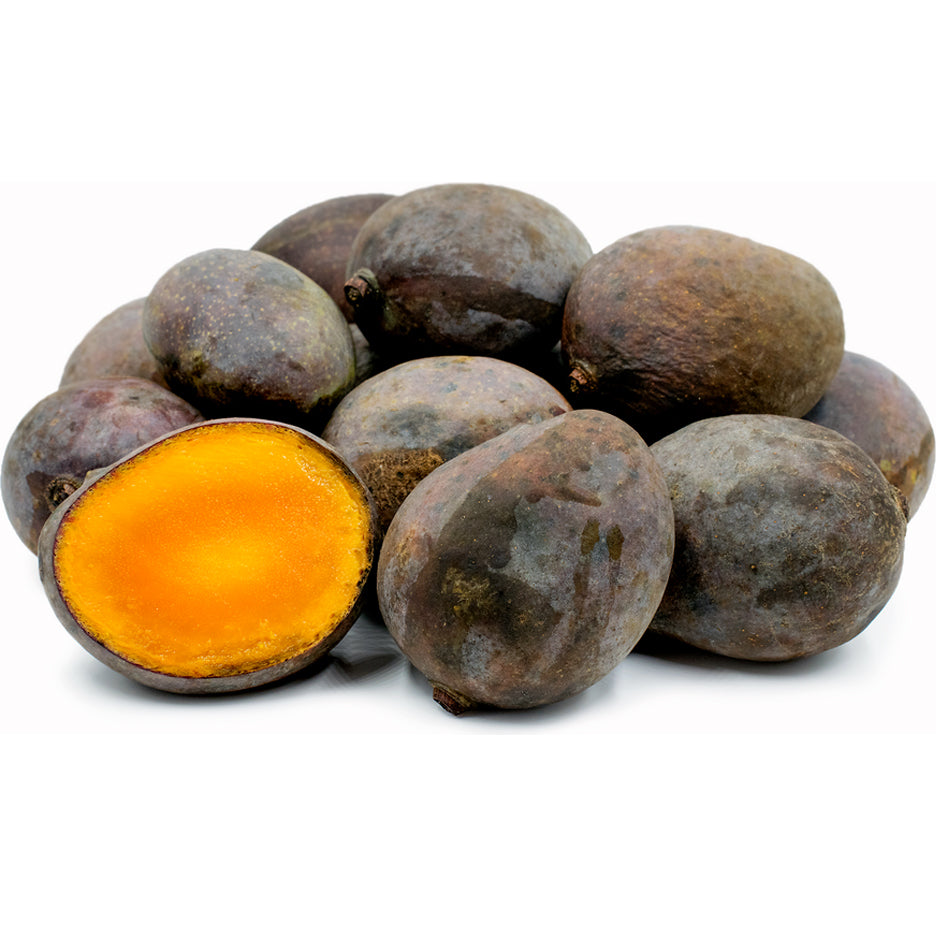
Size: Smaller than conventional mangoes, typically around 5–6 cm in length
Skin: Deep purple to almost black when fully ripe
Pulp: Dense, orange-yellow flesh with very few fibers
Flavor: Intensely aromatic, with a sweet base and resinous undertones reminiscent of traditional mangoes with an exotic twist
Aroma: Distinctively rich and lingering, often filling the air around it
This mango is revered not just for its unique flavor but for its highly fragrant flesh, which sets it apart from most commercial varieties.
Despite its small size, the Kasturi mango is nutritionally potent and offers several natural benefits:
Vitamin C: Supports immune health and collagen synthesis
Dietary Fiber: Promotes healthy digestion and satiety
Phenolic Compounds: Provide antioxidant protection
Iron: Helps maintain blood health
Potassium: Supports healthy nerve and muscle function
Low in Calories: Ideal for those managing weight without compromising on taste
Its traditional use in village diets also connects it to natural remedies for fatigue, dehydration, and heat-induced ailments.
The Kasturi Mango’s flavor is a complex layering of sweetness, tanginess, and depth—often compared to a blend of tropical mango and passionfruit with earthy base notes. It is enjoyed in a variety of ways:
Fresh Consumption – Peeled and eaten raw for maximum flavor
Preserves and Chutneys – Its fragrance enhances jams and relishes
Tropical Beverages – Adds complexity to juices and smoothies
Traditional Delights – Used in some Southeast Asian sweets and syrups
Unlike commercial mangoes, the Kasturi mango is often revered in small portions—enjoyed slowly for its lingering aftertaste.
The Kasturi mango has deep connections with the indigenous communities of South and East Kalimantan. Often planted near ancestral homes, the tree is viewed as a guardian of memory and legacy. In some traditions, it was planted in honor of elders or to mark the birth of a child.
The fruit was also a seasonal delicacy during religious festivities and local gatherings, where its intense fragrance was believed to invoke warmth and hospitality.
Despite its rarity, the Kasturi mango plant is manageable in home gardens and urban settings. Here’s what you need to know:
Climate Preference: Performs best in tropical and sub-tropical zones
Sun Exposure: Prefers full sun but tolerates partial shade
Soil Type: Well-drained, fertile soils are ideal
Watering Needs: Moderate watering; avoid prolonged soil dampness
Growth Rate: Medium pace; produces fruits in 3–5 years in favorable conditions
Maintenance Level: Low to medium – occasional pruning and mulching are sufficient
Container Friendly: Can be trained to grow in large pots with proper care
Its moderate size and elegant form make it suitable for home gardens, terraces, and small orchards.
Because the species no longer exists in the wild, propagation is vital. Nurseries like Veliyath Gardens use grafting and controlled propagation methods to maintain genetic authenticity and ensure healthy plant development.
Preserving this tree is not just horticulture—it is a commitment to biodiversity and a contribution to reversing plant extinction through mindful cultivation.
There are many mangoes, but only a few come with the heritage and fragrance of Kasturi. It's a tree for those who value depth—in flavor, in meaning, and in the act of gardening itself.
When you choose to plant a Kasturi Mango from Veliyath Gardens, you're doing more than adding a fruit tree. You're participating in the revival of a nearly lost species, embracing a unique culinary experience, and inviting a piece of the Kalimantan forest into your life.
Let your garden tell a story. Let the fragrance of Kasturi do the talking.


Love it? Add to your wishlist
Your favorites, all in one place. Shop quickly and easily with the wishlist feature!
[title]
[message]