Veliyath Gardens
Couldn't load pickup availability
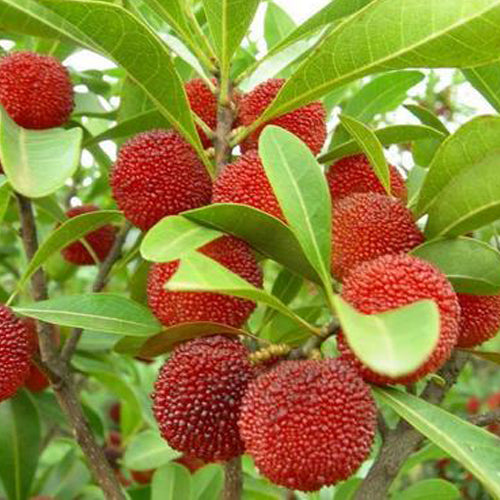
The Bayberry, locally cherished as Kaphal, is one of the most celebrated fruiting trees of the Indian Himalayan region. Botanically known as Myrica esculenta, this mid-sized evergreen tree bears deep red, tangy-sweet berries with extraordinary healing potential and nostalgic charm. While the plant is revered across India, Nepal, and Bhutan, it remains relatively unknown in lowland tropical gardens—making it a prized addition for exotic fruit lovers.
Now available in limited numbers at Veliyath Gardens, the Bayberry Live Plant offers an opportunity to experience one of nature’s most delightful mountain gifts in your very own garden.
Botanical Name: Myrica esculenta
Common Names: Bayberry, Box Myrtle, Kaphal, Kaiphal, Kirishivani
Native Habitat: Lower Himalayan foothills of Northern India, also found in Nepal and Bhutan
Known for its refreshing fruit and therapeutic bark, this subtropical plant is both a cultural icon and a functional garden species.
The Bayberry tree is graceful and hardy, growing up to 10 to 15 meters tall under ideal conditions.
Type: Evergreen shrub or small tree
Foliage: Glossy green, aromatic leaves
Fruit: Round to oval berries, about 1–2 cm, dark red to maroon when ripe
Fruit-bearing Age: Begins to produce fruit in 3 to 4 years
Maintenance: Moderate, manageable with routine care
This fruit tree performs well in gardens located in mild subtropical climates, with good drainage and partial shade or full sun exposure.
Soil: Well-draining, loamy to sandy loam, slightly acidic
Watering: Moderate and regular, avoiding waterlogged conditions
Sunlight: Prefers full sun but tolerates partial shade
Pruning: Seasonal pruning after fruiting to maintain canopy and air flow
Blooming Season: Spring; fruit matures in early summer
Its non-invasive root system and moderate size make it suitable for home gardens, pots, or orchard borders.
Bayberry fruits are loved for their delicately sweet and slightly tangy flavour, with a taste that reminds many of wild strawberries or sour cherries.
Flavour: Mildly tart with natural fruity sweetness
Texture: Juicy pulp with a seed in the centre
Culinary Uses:
Eaten raw and fresh, often straight from the tree
Made into local jams, syrups, squashes, and dried preserves
Sometimes used in traditional Himalayan pickles or fermented drinks
In regions like Uttarakhand and Himachal Pradesh, the ripening of Kaphal is celebrated as a seasonal treat, with local children calling out in the forests: “Kaphal pakyo, mitho chha?” – “Has the bayberry ripened, is it sweet?”
Bayberry is much more than a snack—it’s a folk remedy wrapped in a fruit. Almost every part of the tree is traditionally used in healing.
Nutritional Composition:
Rich in vitamin C, iron, and antioxidants
Contains flavonoids and tannins that support immunity
Natural source of dietary fibre
Medicinal Uses:
Root bark and fruit are used for herbal remedies
Helpful in treating asthma, bronchitis, cough, and sore throat
Acts as a natural astringent, reducing inflammation and ulcers
Known for helping in fever, diarrhea, and general debility
Used in ayurvedic throat and nasal formulations
The plant’s multifunctional healing value makes it a worthy botanical addition for health-conscious homes.
Bayberry has been a part of mountain traditions and Ayurvedic medicine for centuries. In Uttarakhand and Nepal:
It is considered a symbol of early summer
Used in forest-based economies and barter systems
Offered as a sacred fruit in local temples
Women in villages collect ripe berries in handwoven baskets and preserve them using sun-drying methods
Its rustic charm and nostalgic value are what make Bayberry not just a fruit, but a story of the hills.
Fresh fruit: Best consumed within 2–3 days of harvesting
Drying: Can be sun-dried and stored for later use
Preserved forms: Available as jams, pickles, or squashes
Medicinal: Bark is dried and powdered for herbal use
The fruit’s short shelf life makes it even more special, appreciated best when grown and harvested at home.
Due to its increasing popularity and growing demand among rare fruit collectors, the Bayberry plant is now available only in limited quantities at Veliyath Gardens. Our stock is currently reserved for customers seeking native healing plants with cultural heritage and nutritional value.
Growing a Bayberry Plant (Myrica esculenta) is like inviting a part of the mountains into your own backyard. Its tart-sweet fruit, soothing medicinal potential, and sustainable growth pattern make it a plant with both soul and science.
Secure yours from Veliyath Gardens—while this mountain gem is still within reach.

Love it? Add to your wishlist
Your favorites, all in one place. Shop quickly and easily with the wishlist feature!
[title]
[message]