Veliyath Gardens
Couldn't load pickup availability
Botanical Name: Garcinia atroviridis
Common Names: Asam Gelugur, Asam Keping, Gelugor Tamarind
Native To: Malaysia, Southern Thailand, Sumatra
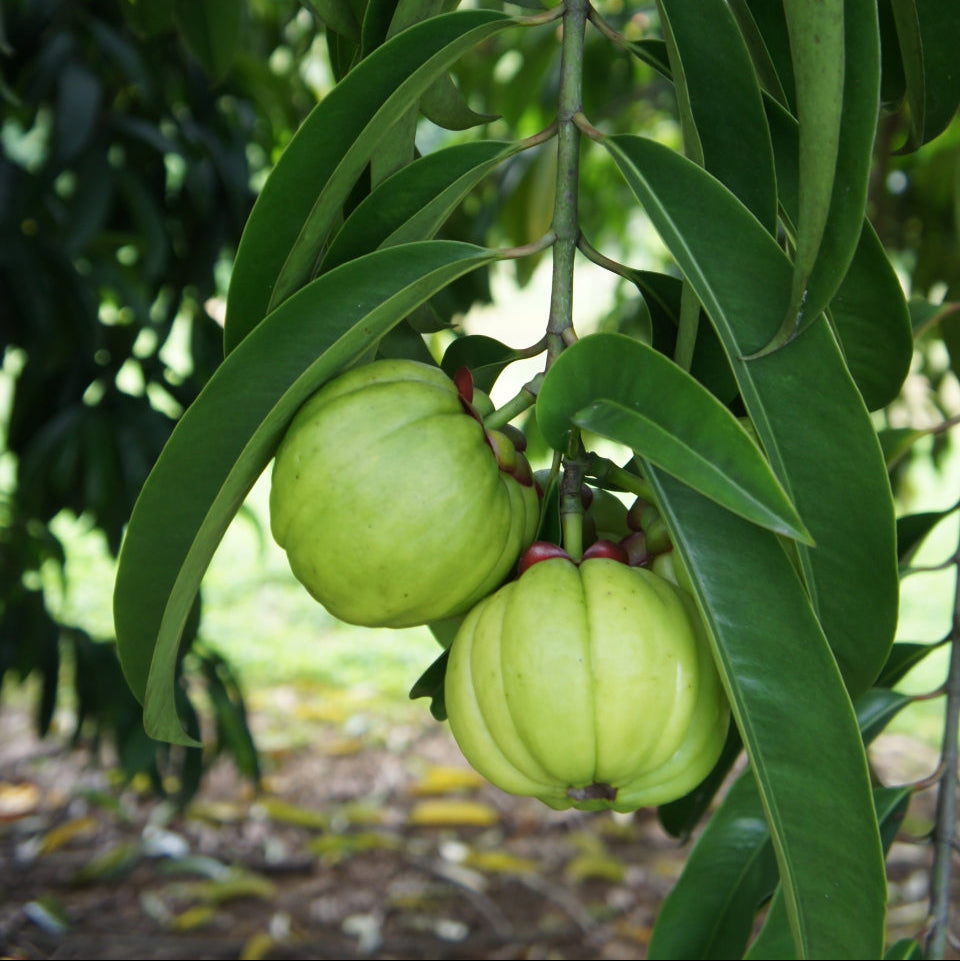
A majestic evergreen hailing from the rainforests of Southeast Asia, the Asam Gelugur stands not only as a botanical beauty but also as a timeless contributor to kitchens, traditions, and herbal wellness. With its glossy foliage, fluted trunk, and lemon-yellow fruits that dangle like miniature lanterns, this tree transforms spaces into living showcases of tropical elegance. Now increasingly rare and sought after, especially at Veliyath Gardens, its availability is limited due to overwhelming demand.
Tree Height: Can grow up to 20–25 meters under optimal conditions
Growth Form: Upright trunk with symmetrical branching and shiny leaves
Fruit Size: Typically 7–10 cm in diameter, sometimes weighing up to 2 kg
Fruit Color: Golden to deep yellow when mature
Pulp: Bright orange, intensely sour, aromatic
Seeds: Flattened and embedded in fibrous flesh
This species thrives gracefully in home gardens, forest borders, and agroforestry systems, lending aesthetic and ecological value along with its edible offerings.
The flavor of Asam Gelugur is unapologetically bold:
Taste Notes:
Sharp, citrusy sourness
Slight bitterness with a clean finish
Deep, tangy flavor when dried
While the raw fruit is too sour for direct consumption, its culinary versatility makes it a treasured ingredient:
Dried Slices (Asam Keping): Added to curries and broths to enhance depth
Fruit Infusions: Used in making sour drinks or sherbets with honey
Fermented Preparations: Transformed into zesty condiments in some Thai and Malay homes
Sweetened Preserves: Paired with sugar to create tangy jams, jellies, and pastes
Asam Gelugur has long been cherished for its natural healing properties. Generations of traditional medicine practitioners have recognized its value.
Hydroxycitric Acid (HCA):
Helps control appetite and body fat synthesis
Common in natural weight management practices
Vitamin C:
Strengthens immunity and skin health
Promotes collagen production
Polyphenols and Xanthones:
Powerful antioxidants that reduce oxidative stress
Aid in cardiovascular and liver health
Digestive Aid:
Traditionally used to relieve bloating and improve metabolism
Anti-Inflammatory:
Soothes inflammation and supports immune defense
Even in contemporary wellness-focused lifestyles, this fruit holds its place:
Brew a warm herbal tonic with dried slices for digestion after meals
Blend into fermented chutneys or vinegar infusions for a bold sour twist
Create cool summer drinks with rehydrated fruit and a dash of honey
Mix into plant-based stews for added tang, especially in vegan Southeast Asian recipes
Its unmistakable sour tone can brighten any dish while contributing to your health in subtle but meaningful ways.
Perfect for those passionate about exotic edible landscapes, the Asam Gelugur tree is relatively easy to manage when basic tropical conditions are met.
Preferred Climate: Warm, humid tropical conditions
Sun Exposure: Full sun to partial shade
Soil Type: Rich, deep loamy soil with neutral to slightly acidic pH
Watering Needs: Consistent moisture without water stagnation
Time to Bear Fruit: 4 to 6 years from planting
Maintenance:
Annual pruning of dead wood or overcrowded branches
Organic mulch and compost application twice a year
Regular pest monitoring (generally hardy when mature)
This moderate-care tree is well-suited to tropical gardens, orchard borders, and permaculture landscapes.
Fresh Use: Store the harvested fruit in a cool area or refrigerator; consume within 5–7 days
Dried Slices: Sun-dried or oven-dried and stored in airtight containers; shelf life of up to 12 months
Fermented Pastes: Can be refrigerated and used over several weeks
Infusions and Extracts: Preserved in glass containers for traditional or culinary use
Drying the fruit is the most popular method of preservation, and in many regions, dried slices are a kitchen staple and household remedy.
From temple offerings to postnatal herbal baths, Asam Gelugur’s cultural depth runs deep:
In Malay tradition, it is a valued gift during harvest festivals
In Thai holistic medicine, it's used in detoxification and weight-balancing rituals
Leaves and bark are employed in certain ritual infusions and healing balms
It symbolizes bitterness that heals, an idea cherished in Eastern philosophies
This heritage-rich fruit carries with it not just nourishment but story, symbolism, and connection to ancestral practices.
Asam Gelugur is no longer easily found in local nurseries, and at Veliyath Gardens, it is among the most asked-for plants in recent months. Owing to its limited propagation and seasonal supply, availability is currently restricted.
If you’re drawn to plants that nourish, heal, and inspire, the Asam Gelugur deserves a place in your garden.
Bring home a tree that adds not only shade and greenery—but a symphony of taste, tradition, and health.

Love it? Add to your wishlist
Your favorites, all in one place. Shop quickly and easily with the wishlist feature!
[title]
[message]